
How Long Does SEO Take to Work? Here’s What to Expect
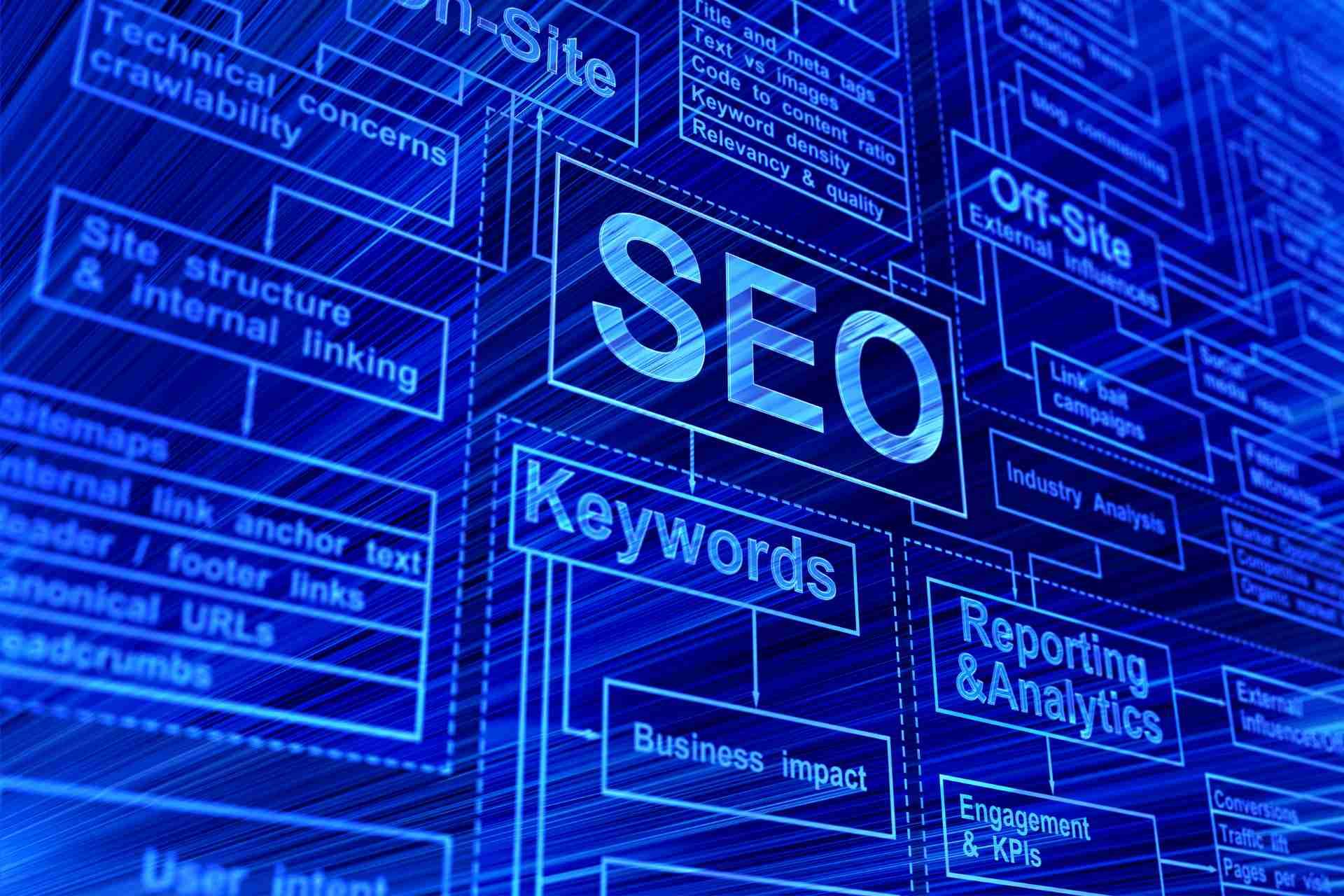
When you start implementing SEO strategies, it's natural to wonder how long it’ll take to see real results. While you might notice some changes within weeks, significant improvements typically take a few months. But several factors can impact this timeline, and understanding them is crucial. What should you focus on first to maximize your efforts? Let's explore the key elements that shape the SEO timeline and what you can expect along the way.
Understanding the SEO Timeline
When you embark on an SEO journey, understanding the timeline is crucial for setting realistic expectations. SEO isn’t an overnight success; it’s a gradual process that requires patience.
Typically, you might start seeing some changes within a few weeks, but significant results often take three to six months. During this period, you'll likely notice fluctuations in your rankings as search engines crawl and index your site.
You’ll also need to factor in the time it takes to create quality content, build backlinks, and optimize your website. Remember, SEO is an ongoing effort.
Regular updates and adjustments are essential to maintain and improve your rankings over time. Stay committed, and you'll reap the long-term benefits of your hard work.
Factors That Influence SEO Results
The timeline for seeing SEO results can vary widely based on several factors that influence your site’s performance. Understanding these factors can help you set realistic expectations.
Here are four key elements to consider:
1. Website Age: Older domains often have more authority, which can lead to quicker results.
2. Content Quality: High-quality, relevant content attracts more visitors and improves rankings.
3. Competition: If you’re in a saturated market, it might take longer to see results compared to less competitive niches.
4. Technical SEO: Proper optimization of your site’s structure and speed can significantly impact your rankings.
The SEO Process: Stages of Implementation
Understanding the SEO process is crucial for anyone looking to improve their website's visibility. The implementation stages begin with research, where you identify relevant keywords and analyze competitors.
Next, you'll focus on on-page optimization, tweaking your site's content, structure, and meta tags to align with those keywords.
After that, you’ll move to technical SEO, ensuring your site is crawlable, fast, and mobile-friendly.
Once your site is optimized, it’s time for off-page strategies, like building backlinks and enhancing your online reputation.
Finally, monitor your analytics to assess performance and make necessary adjustments.
Each stage is essential, and while results may take time, following this process methodically sets you up for long-term success in search engine rankings.
Common SEO Strategies and Their Impact
As you dive into common SEO strategies, you'll find that each approach can significantly influence your website's performance in search rankings.
Here are four key strategies to consider:
1. Keyword Research: Identify and use relevant keywords that your audience searches for, ensuring your content aligns with their interests.
2. On-Page Optimization: Optimize title tags, meta descriptions, and headers to improve relevance and click-through rates.
3. Quality Content Creation: Regularly publish valuable, informative, and engaging content that resonates with your target audience, encouraging shares and backlinks.
4. Link Building: Cultivate high-quality backlinks from reputable sites, boosting your authority and visibility in search engines.
Implementing these strategies effectively can lead to improved rankings and traffic over time.
Measuring SEO Success: Key Metrics to Track
While implementing SEO strategies can drive traffic to your site, measuring success is equally crucial. You should focus on key metrics to gauge your performance effectively.
Start with organic traffic; track the number of visitors arriving via search engines. Next, check your keyword rankings to see how well you’re performing for targeted terms.
Don’t forget about click-through rates (CTR), which indicate how compelling your titles and descriptions are. Also, monitor bounce rates to understand if visitors find your content engaging.
Lastly, analyze conversion rates to see how many visitors take desired actions, such as signing up or making a purchase. By keeping an eye on these metrics, you can assess your SEO efforts and make informed adjustments.
Tips for Accelerating Your SEO Results
To boost your SEO results quickly, focus on implementing a few key strategies right away. Here are four tips to get you started:
1. Optimize Your Content: Use relevant keywords naturally in your titles, headings, and body text to improve search visibility.
2. Enhance Page Speed: A fast-loading website keeps visitors engaged and reduces bounce rates, which can positively affect your rankings.
3. Build Quality Backlinks: Reach out to reputable sites for guest posts or collaborations to increase your domain authority.
4. Utilize Local SEO: If applicable, claim your Google My Business listing to attract local customers and improve your search rankings.
Conclusion
In conclusion, while SEO isn’t an overnight fix, understanding its timeline can help set realistic expectations. By considering factors like your website’s age and content quality, you can better navigate the process. Remember, consistent effort and ongoing optimization are key to long-term success. Keep tracking your metrics and stay engaged with your audience to see those results accelerate. With patience and persistence, you’ll eventually reap the rewards of your SEO efforts.