SEO Services Explained: What You Really Get & What Matters Most
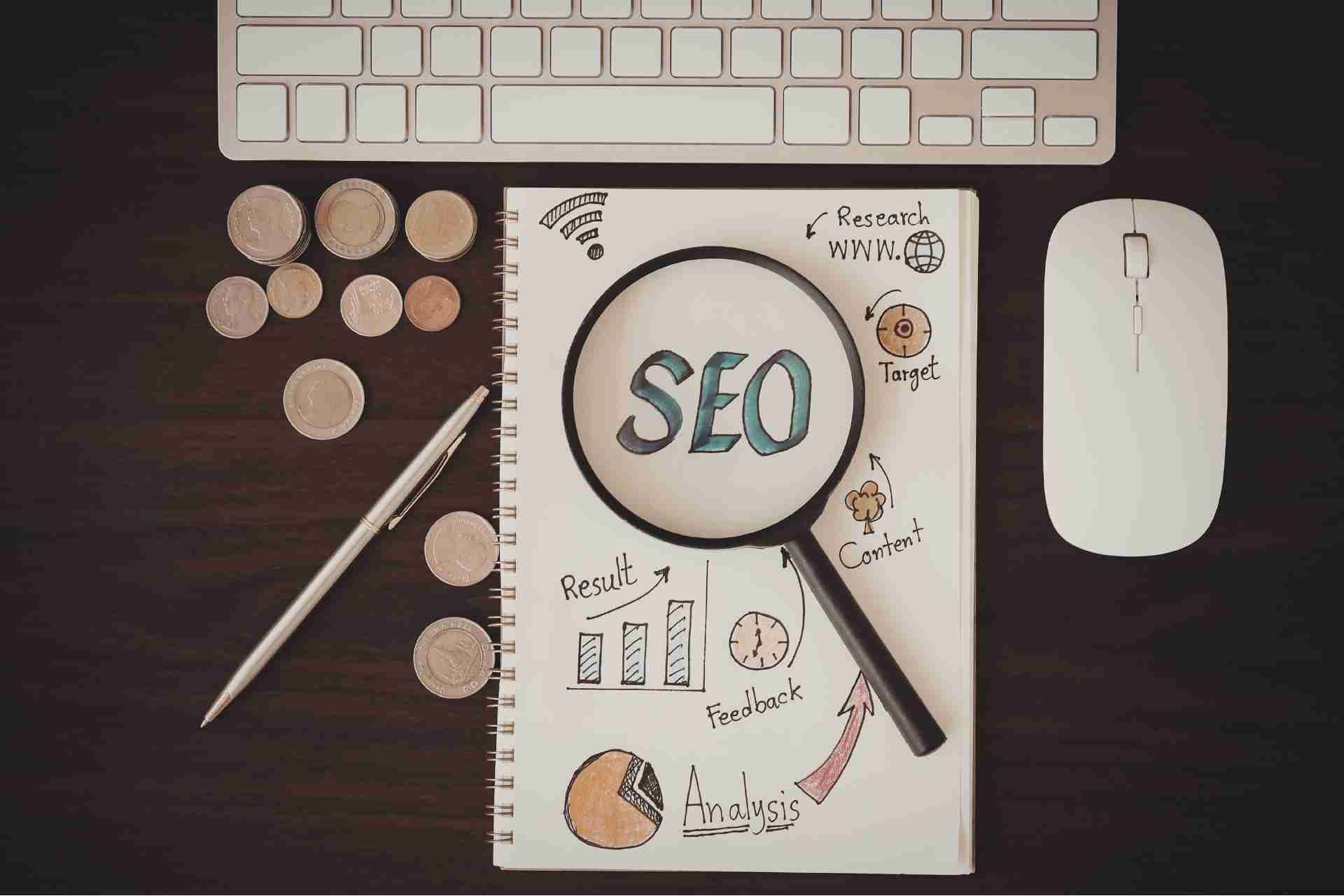
When you think about SEO services, what comes to mind? You might picture rankings or traffic numbers, but it’s much more than that. Effective SEO is about understanding your audience, optimizing your site, and building authority. It’s a multifaceted approach that can significantly impact your online presence. But what are the essential elements that can truly make a difference for your business? Let’s explore this further.
Understanding SEO Services: What They Are and Why You Need Them
When you dive into the world of digital marketing, understanding SEO services is crucial for boosting your online presence.
SEO, or Search Engine Optimization, involves strategies and techniques designed to improve your website's visibility in search engine results. It’s about attracting organic traffic by optimizing your site’s content, structure, and technical aspects.
By implementing effective SEO services, you’ll enhance user experience, making it easier for potential customers to find what they need. These services also help you stay competitive in your industry, as more businesses recognize the importance of online visibility.
Ultimately, SEO services can lead to increased brand awareness, higher conversion rates, and better ROI, making them essential for any successful marketing strategy.
Essential Elements of Successful SEO Services
To achieve success with SEO services, you need to focus on several essential elements that work together to enhance your online visibility.
First, keyword research is crucial; it helps you identify the terms your audience uses.
Next, building high-quality backlinks boosts your site's authority and credibility.
Don’t overlook technical SEO, which ensures your site runs smoothly and is easily indexed by search engines.
Additionally, analyzing your competitors gives you insights to improve your strategy.
Regular performance tracking is vital, too; it lets you gauge what’s working and what isn’t.
Finally, keeping up with SEO trends will help you adapt and stay ahead of the competition.
On-Page SEO: Optimizing Your Website for Better Rankings
On-page SEO is essential for improving your website's rankings, as it involves optimizing individual pages to enhance their relevance and user experience.
Start by focusing on high-quality content that answers users' queries. Use targeted keywords naturally in your headings, paragraphs, and meta descriptions. Make sure your titles are catchy and accurately reflect the content.
Don’t forget about internal linking, which helps guide visitors to related content and keeps them engaged.
Additionally, ensure your website's layout is user-friendly, with fast loading times and mobile responsiveness. Use clear calls-to-action to guide users toward desired actions.
Technical SEO: Making Your Site Search Engine Friendly
While creating quality content is crucial, technical SEO ensures that your website is structured in a way that search engines can easily crawl and index it. This involves optimizing your site’s architecture, improving page speed, and ensuring mobile-friendliness.
You’ll want to create an XML sitemap and a robots.txt file to guide search engines effectively. Additionally, using clean URLs and implementing proper redirects can prevent broken links, enhancing user experience.
Don't forget about schema markup, which helps search engines understand your content better. By focusing on these elements, you're setting a solid foundation for your site’s visibility.
Off-Page SEO: Building Authority and Trust Beyond Your Site
Technical SEO creates a strong foundation for your site, but off-page SEO takes your online presence to the next level by building authority and trust beyond your website. This involves strategies like link-building, social media engagement, and influencer partnerships.
When you earn quality backlinks from reputable sites, you signal to search engines that your content is valuable and trustworthy. Engaging on social media platforms helps you connect with your audience and boosts your brand's visibility.
Additionally, collaborating with influencers can expand your reach and enhance your credibility. Remember, off-page SEO isn’t just about links; it’s about cultivating relationships and establishing yourself as an authority in your niche.
Focus on these aspects, and you'll see your online presence flourish.
Local SEO Strategies for Attracting Nearby Customers
How can you effectively attract nearby customers to your business? Start by optimizing your Google My Business listing. Ensure your address, phone number, and operating hours are accurate. Encourage satisfied customers to leave positive reviews, as these boost your visibility.
Next, incorporate local keywords into your website content; think of phrases your potential customers might type into search engines. Create location-specific pages if you serve multiple areas, too.
Don’t forget to engage on social media, sharing local events or promotions. Additionally, consider local backlinks by collaborating with other businesses or organizations in your area.
Finally, use targeted ads that focus on your local audience. These strategies will help you pull in nearby customers effectively.
Key Metrics to Measure Your SEO Success
Attracting nearby customers is just the first step; measuring your SEO success is where you’ll see the real impact of your efforts.
Start by tracking organic traffic to your website; this shows how many visitors come from search engines. Next, keep an eye on your keyword rankings—higher positions typically lead to more clicks.
Don't forget about conversion rates; they reveal how well your site turns visitors into customers. Bounce rates also matter—you want visitors to stay engaged.
Additionally, monitor backlinks, as quality links can enhance your site's authority.
Finally, use tools like Google Analytics to gain deeper insights and adjust your strategies accordingly.
Debunking Common SEO Myths: What You Need to Know
While many people believe that SEO is just about using the right keywords, the reality is much more complex.
It’s not only about sprinkling keywords throughout your content; it involves understanding user intent, creating quality content, and optimizing site structure.
Another myth is that SEO is a one-time effort. In truth, it requires ongoing maintenance and adaptation to ever-changing algorithms.
Some think that backlinks don’t matter anymore, but they’re still crucial for building authority.
Lastly, many assume that higher rankings guarantee sales, but attracting traffic is just the first step. You need to engage visitors and convert them.
How to Pick the Best SEO Provider for Your Needs?
Choosing the right SEO provider can significantly impact your online success. Start by identifying your specific needs, whether it’s local SEO, content marketing, or technical optimization.
Research potential providers by checking their portfolios and client reviews—this gives you insight into their effectiveness. Don't hesitate to ask for case studies that demonstrate their results.
Additionally, evaluate their communication style and responsiveness; you want a partner who keeps you in the loop. Look for transparency in their processes and avoid anyone promising quick fixes or guaranteed rankings; SEO takes time.
Finally, consider your budget but remember: cheap services can lead to poor results. Select a provider that aligns with your goals and values, ensuring a fruitful partnership for your online presence.
Conclusion
In conclusion, investing in SEO services can significantly boost your website's visibility and performance. By understanding essential elements like on-page, technical, and off-page strategies, you’ll be better equipped to attract organic traffic and convert visitors into customers. Don’t overlook local SEO tactics if you want to reach nearby audiences effectively. Remember to measure your success with key metrics and choose the right SEO provider to meet your unique needs. Embrace the power of SEO and watch your brand grow!